13 posts tagged with "Backend"

Backend development and integration

View All Tags

AI Integration With Legacy Systems and Undocumented APIs

· 5 min read
Engineering Team

Most businesses do not run on clean, modern, AI-friendly systems. They run on old CRMs, spreadsheets, custom databases, half-documented APIs, shared inboxes, manual approvals, and internal tools that still work well enough to be dangerous.

That does not mean AI integration is impossible. It means the integration layer matters more than the prompt. If the AI feature cannot safely read, transform, and act on legacy data, the model will create more operational mess instead of reducing it.

AI integration with legacy systems and APIs

How to Build the Right Context for AI Agents Without Hallucinations

· 5 min read
Engineering Team

AI agents fail when they act on the wrong context. The model may be capable, but it cannot safely reason over customer data, product rules, billing state, internal documents, or support history unless the application gives it the right information in the right shape.

Better context is not the same as more context. Production agents need constrained, permission-aware, current, and task-specific context. This guide shows how to design that context for mobile apps, admin panels, internal tools, and AI-powered customer workflows.

AI agent context architecture

From Data Silos to a Single Source of Truth: The Architecture That Makes AI Work

· 6 min read
Engineering Team

AI becomes useful when it can see the same business reality your team sees. That is hard when customer records live in a CRM, invoices live in billing, support history lives in a help desk, product events live in analytics, and internal policies live in scattered documents.

The result is familiar: the AI gives partial answers, misses context, violates permissions, or forces employees to paste private data into a chat window. A single source of truth does not mean putting every byte in one database. It means designing a trusted layer where business entities, permissions, events, and knowledge can be resolved consistently.

Single source of truth architecture for AI systems

AI Data Readiness Checklist: Prepare Your Business Data Before You Build

· 7 min read
Engineering Team

Most AI projects do not fail because the model is weak. They fail because the model receives messy, stale, incomplete, or unsafe data. A chatbot connected to outdated policies gives bad answers. A workflow agent without clear permissions exposes the wrong records. A recommendation engine trained on duplicate events optimizes for noise.

Before you add AI to a mobile app, admin panel, internal tool, or customer portal, make the data layer ready for AI. This checklist gives founders, CTOs, and product teams a practical way to audit data quality, structure, access, freshness, and feedback loops before the first production prompt.

AI data readiness checklist for business apps

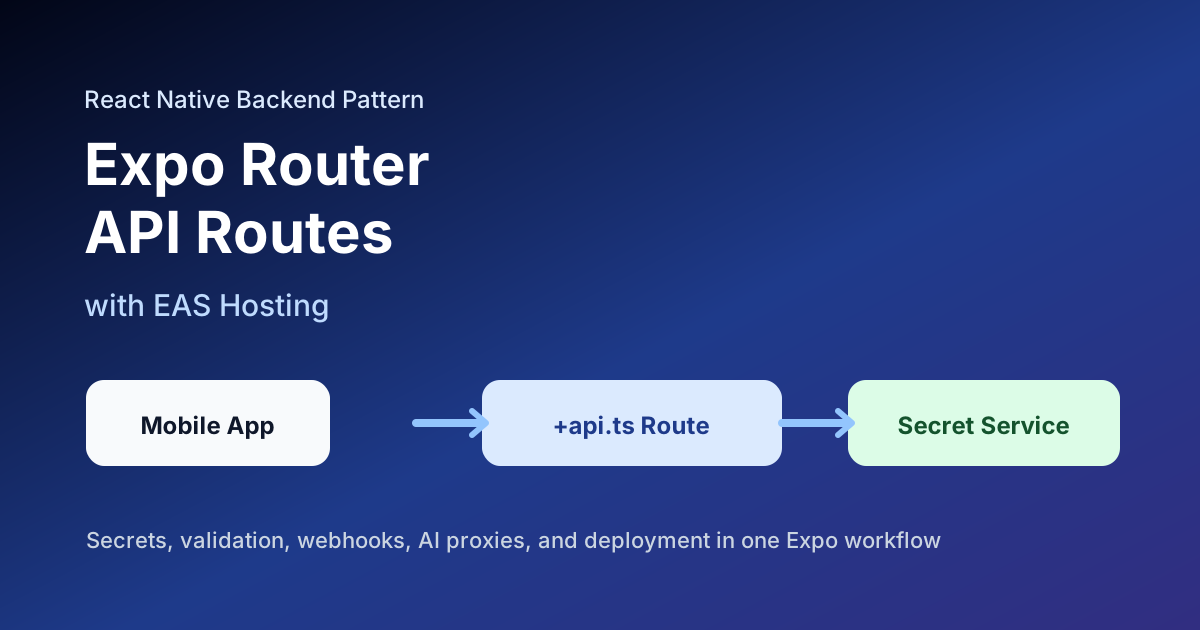
Expo Router API Routes and EAS Hosting: A Backend for React Native Apps

· 5 min read
Full Stack Developer

Expo Router API routes give React Native teams a practical middle ground between "everything is client-side" and "we need a separate backend project before we can ship." With EAS Hosting, those routes can be deployed alongside an Expo Router web app and used for server-side work such as secrets, validation, webhooks, AI calls, and small backend endpoints.

Expo Router API routes and EAS Hosting backend architecture

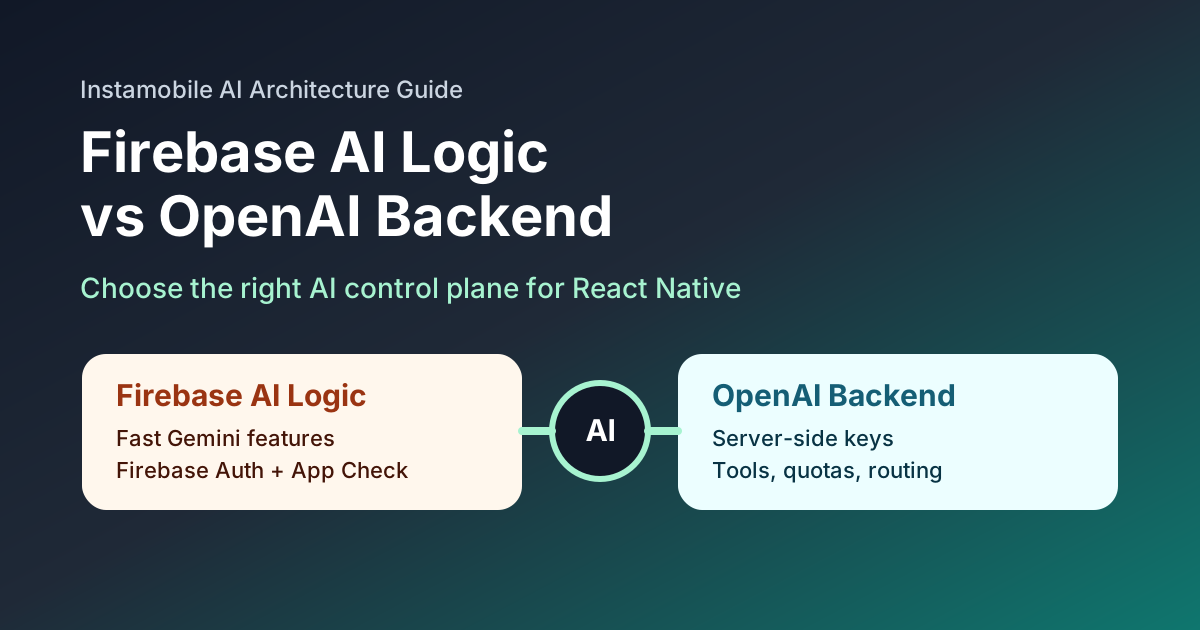
Firebase AI Logic vs OpenAI Backend for React Native AI Apps

· 6 min read
Full Stack Developer

React Native teams now have two practical ways to add serious AI features to a mobile app:

  • call Gemini models through Firebase AI Logic from a Firebase-aware app;
  • keep AI orchestration on your own backend and call OpenAI from the server.

Both approaches can be correct. The wrong choice is usually the one that ignores secrets, user identity, App Store release cycles, cost controls, and how quickly your AI product will evolve.

Comparison of Firebase AI Logic and OpenAI backend architecture for React Native

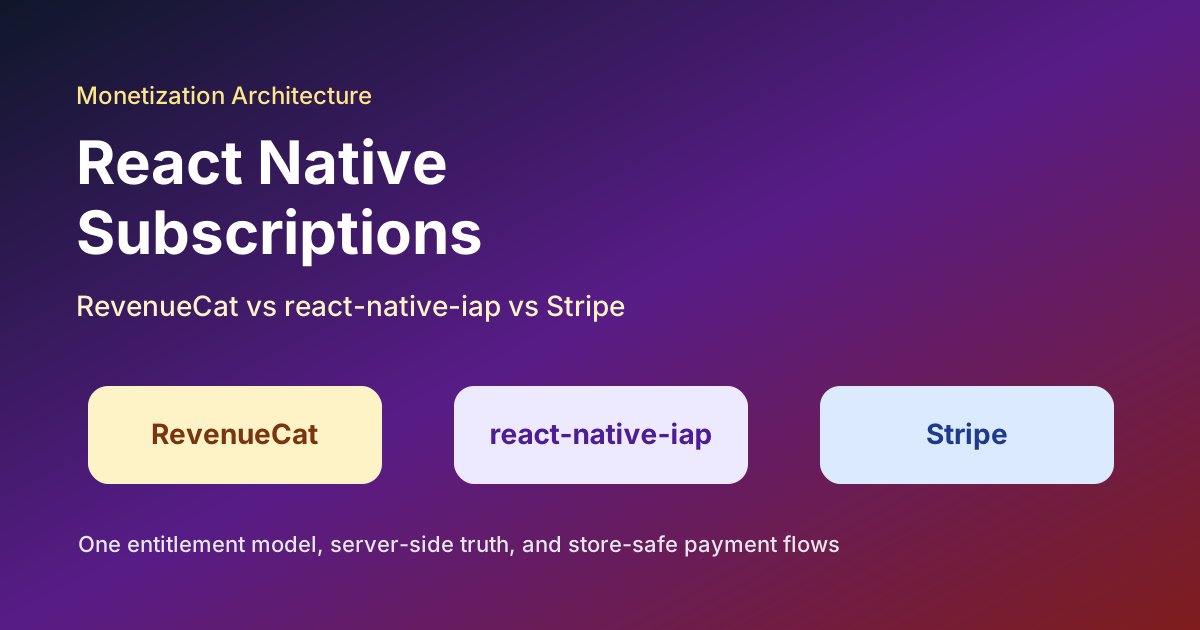
React Native Subscriptions in 2026: RevenueCat vs react-native-iap vs Stripe

· 6 min read
Full Stack Developer

Subscriptions look simple in product mockups: show plans, take payment, unlock premium features. In a real React Native app, subscriptions touch StoreKit, Google Play Billing, receipt validation, renewals, refunds, grace periods, intro offers, backend entitlements, app review, and customer support.

React Native subscription architecture comparing RevenueCat, react-native-iap, and Stripe

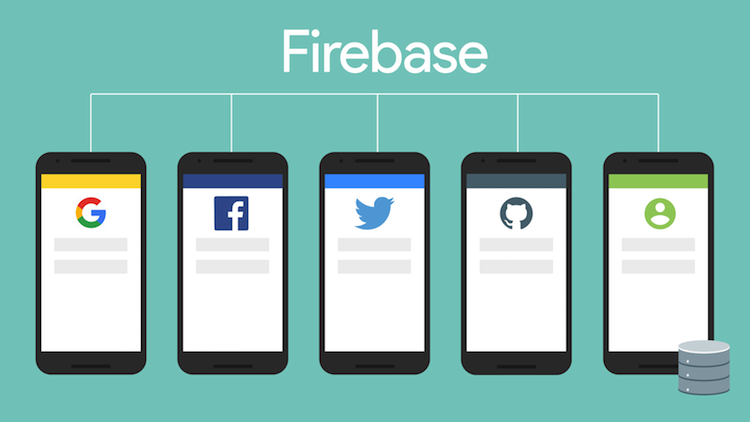
Firebase Database as backend for your Android/iOS app | iOS App Templates

· 4 min read
Full Stack Developer

firebase server ios app templates swift

Firebase Database is a free backend infrastructure product, provided by Google, that serves as a backend for your mobile app. It can store an unlimited amount of unstructured data, that can be queried in real-time by mobile apps with only a few lines of code, due to the powerful SDKs provided by Google.

AWS AppSync with React Native

· 14 min read
Full Stack Developer

app sync

AWS Amplify is a framework that lets us develop a web or mobile application quickly. In this tutorial, we are going to continue to learn how to perform CRUD operations with the database by using GraphQL mutations. AWS Amplify has a complete toolchain wiring and managing APIs with GraphQL. The API we will be creating in this tutorial is a GraphQL API using AWS AppSync (a managed GraphQL service) and the database will be Amazon DynamoDB (a NoSQL database).

Integrating WordPress REST API with React Native

· 5 min read
Full Stack Developer

WordPress exposes a REST API that React Native apps can use for blog readers, news apps, documentation hubs, content-heavy ecommerce apps, and publisher experiences. The API is useful out of the box for public posts, pages, categories, tags, users, media, and custom content exposed by plugins such as Advanced Custom Fields.

The production challenge is not fetching one post. It is handling pagination, HTML content, media URLs, caching, empty states, authentication boundaries, and safe write operations without leaking WordPress credentials into the mobile app.

wordpress rest api react native

How to Choose the Best Backend for your iOS App

· 6 min read
Full Stack Developer

Best Backend for your iOS App

It’s extremely common for a mobile app to support dynamic features such as user management and user-generated content, like social posts, photo uploads, or private messages. To build this functionality, an iOS developer will need a web backend that acts as a central database and serves data to the iOS client. To choose the best backend for your iOS app there are a few things to consider right from the start. Luckily, in most of the cases, the decision is simple: use Firebase.

Practical product notes

Get the next useful guide

Occasional tutorials, product resources, and lessons from building and launching software.