Free Flutter App Templates and Starter Kits
Get Started with Free Flutter Templates
A free Flutter starter can shorten the setup phase, but it is useful only when its screens, dependencies, license, and configuration match the product you want to build.
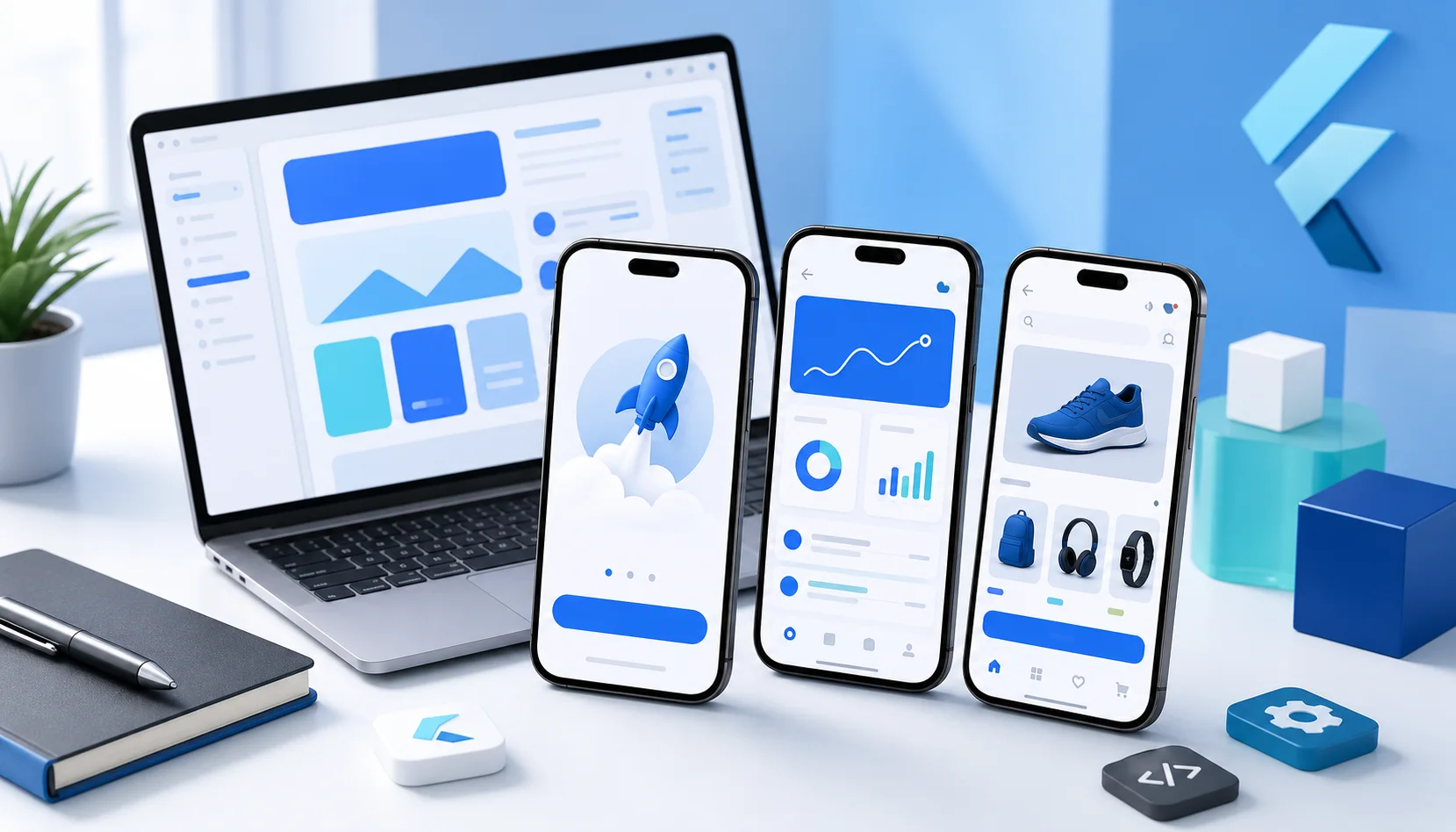
Quick Answer
Free Flutter templates can help with authentication, onboarding, UI exploration, prototypes, and learning a project structure. Before committing to one, inspect the setup notes, dependencies, supported platforms, and license. For a product that will ship, also confirm the backend, signing, release, and maintenance work that remains.
Browse the current Flutter template collection to compare available starters, then use the Flutter documentation when you need implementation guidance. Choose a foundation by the product flows and services it supports, not by screenshots alone.
Template Evaluation Checklist
- Can run locally with documented Flutter and platform setup steps.
- Contains the screens and navigation needed for the product flow you are testing.
- Makes its dependencies and any service configuration visible before you customize it.
- States a license that permits your intended use.
- Makes it clear what still needs to be built, such as a backend, authentication, payments, notifications, or release configuration.
Use a free Flutter starter to test a direction before you invest in a larger
build. Run it locally, inspect pubspec.yaml, review its package choices, and
confirm that the license fits your product before you build a roadmap around it.
Treat every template as a starting point to verify, not a guaranteed production codebase. Flutter, Dart, services, and native platform requirements evolve, so validate the current dependencies and release requirements for your use case.
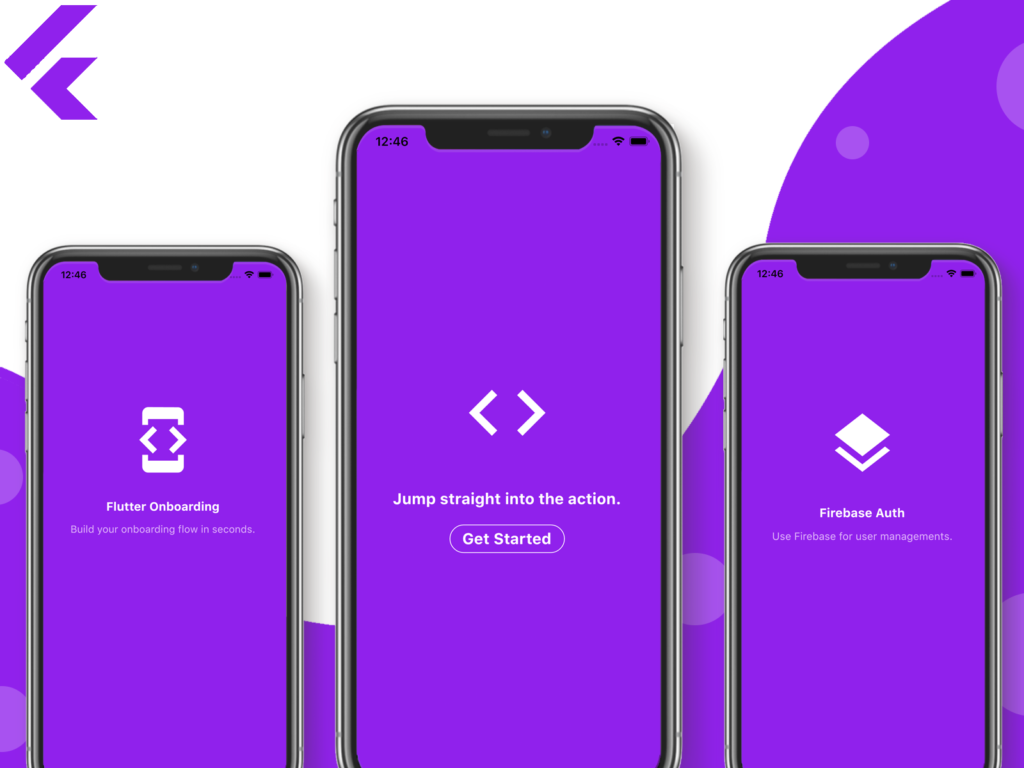
The right starting point depends on the flow you need to validate first. Use the catalog to compare free templates, then test the relevant project before you customize it.
Free Flutter App Templates
Authentication and Onboarding Starting Points
If you are validating an account flow, look for a starter that exposes the screens, navigation, and service configuration you need. If you are validating onboarding, prioritize a template that makes the first-run experience easy to adapt. The Flutter template collection is the current place to compare those options.
Need a Custom Template?
If a starter does not fit the product you need, explore custom app development for a scoped implementation around your requirements.
Conclusion
Free Flutter templates can make the first build cycle more concrete. Compare the available foundations, verify one locally, and keep only the parts that serve the product you are actually planning to ship.