44 posts tagged with "iOS"

Our iOS tag archive page features a wide range of articles and tutorials aimed at helping developers navigate the world of iOS development.

View All Tags

Flutter App Store Privacy Checklist: Apple Privacy Manifests and Google Play Data Safety

· 5 min read
Full Stack Developer

Flutter apps are cross-platform, but privacy review is still native. Your pubspec.yaml dependencies can pull in iOS pods, Android libraries, analytics SDKs, crash reporters, payment SDKs, Firebase packages, and permission handlers that affect App Store and Google Play disclosures.

Flutter privacy release checklist for App Store and Google Play

Flutter Subscriptions: RevenueCat vs in_app_purchase vs Stripe

· 5 min read
Full Stack Developer

Subscription screens are easy to mock in Flutter. Real subscription systems are not. A production app needs store products, test accounts, purchase listeners, receipt validation, renewals, cancellations, refunds, restore purchases, customer support, and a reliable entitlement model.

Flutter subscription architecture with RevenueCat in app purchase and Stripe

Passkeys in Flutter: Passwordless Login for iOS and Android

· 6 min read
Full Stack Developer

Passkeys are one of the most important authentication upgrades Flutter teams can make. They reduce password reset friction, remove reusable password risk, and use the platform sign-in experience users already trust.

In Flutter, the hard part is not drawing the button. The hard part is choosing a safe architecture across Dart code, iOS AuthenticationServices, Android Credential Manager, domain association files, and backend WebAuthn verification.

Flutter passkey login flow across iOS Android and backend verification

Passkeys in React Native: Passwordless Login on iOS and Android

· 6 min read
Full Stack Developer

Passkeys are becoming the default answer to a long-standing mobile product problem: users dislike passwords, password reset flows are expensive, and weak credentials create security risk that your app has to absorb later.

For React Native teams, passkeys are not just a new login button. A production implementation touches native platform APIs, your backend authentication model, domain association files, account recovery, QA devices, and store release testing.

Passkey authentication architecture for React Native apps

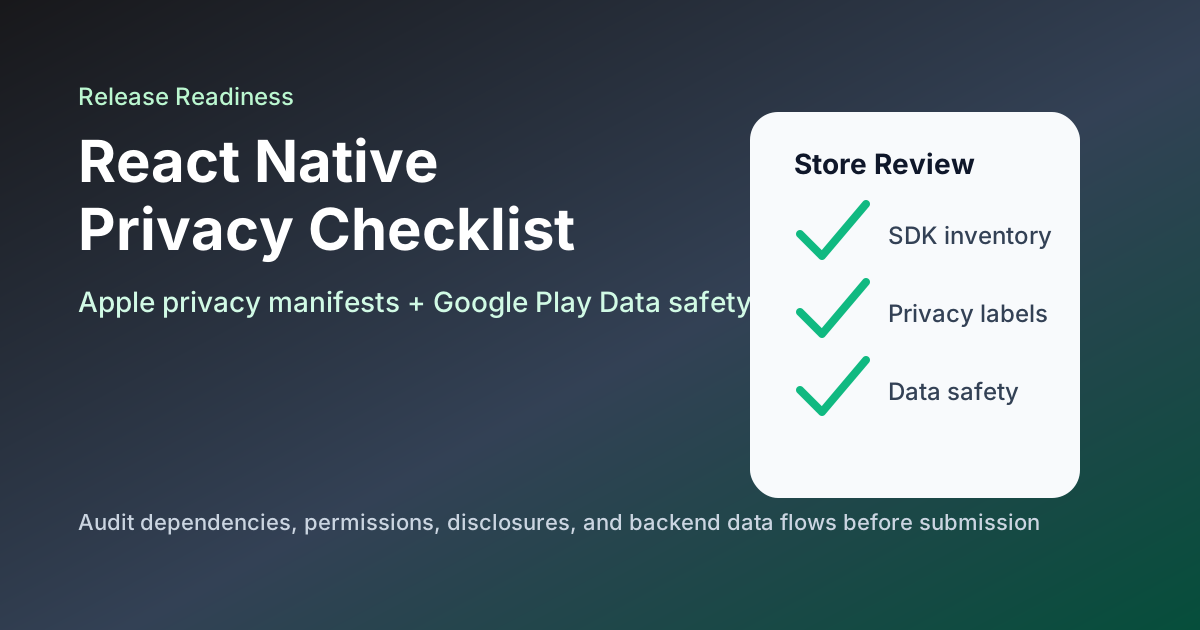
React Native App Store Privacy Checklist 2026: Apple and Google Play

· 6 min read
Full Stack Developer

Privacy review is now part of mobile engineering, not just legal paperwork. React Native apps ship with native SDKs, analytics tools, crash reporters, payment providers, push notification services, authentication providers, and backend integrations. Every one of those can affect what you must disclose to Apple and Google Play.

React Native app store privacy checklist for Apple and Google Play

Build a Tinder-like Card Swipe in Swift with Koloda View | iOS Tutorial

· 6 min read
Full Stack Developer

Build a Tinder Card Swipes in Swifit with Koloda View

Over the past few years, along with the popularity of social networking applications, dating apps have also rapidly emerged. One of these most prominent applications is Tinder. It’s not only an awesome dating app, but it also created new iOS trends on view animations or transitions, such as the Tinder Card Swipe or Tinder UI (our Swift Dating App was inspired by Tinder).

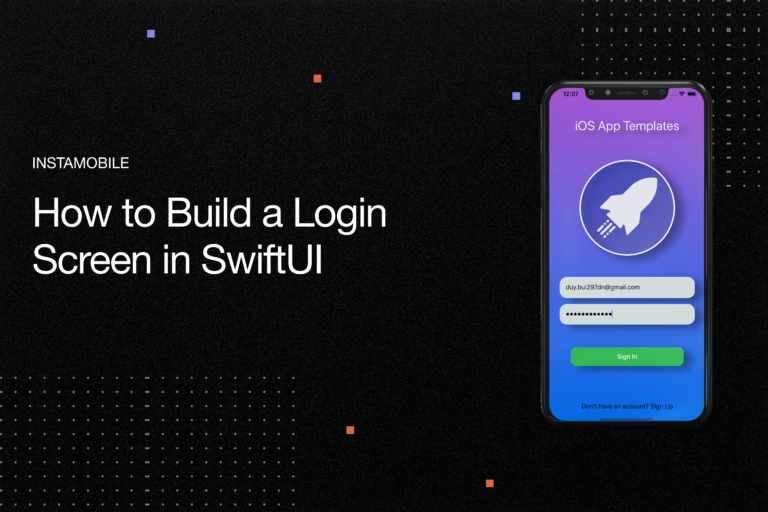
How to Build a Login Screen in SwiftUI

· 5 min read
Full Stack Developer

How to build a login screen in swiftui

Hello fellas, welcome back to our SwiftUI series. In the previous few tutorials, you learned a lot about components, operators as well as how to work with UIKit. Now, it’s time to put those skills to work and get your hands dirty with real practice – design a catchy Login Screen in SwiftUI. After this article, you will find SwiftUI much more convenient and clear.

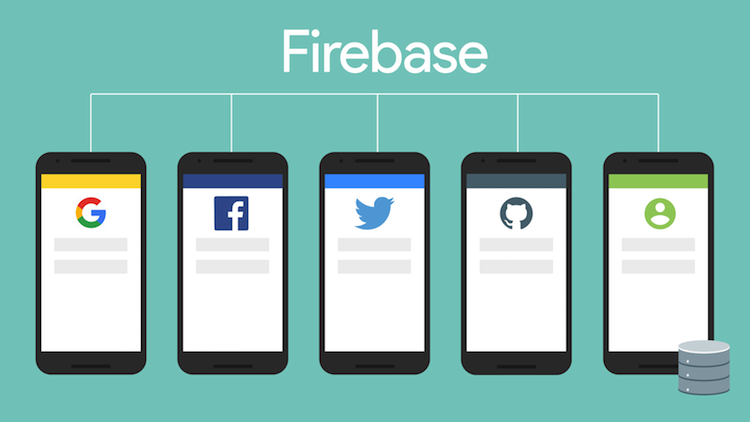
Firebase Database as backend for your Android/iOS app | iOS App Templates

· 4 min read
Full Stack Developer

firebase server ios app templates swift

Firebase Database is a free backend infrastructure product, provided by Google, that serves as a backend for your mobile app. It can store an unlimited amount of unstructured data, that can be queried in real-time by mobile apps with only a few lines of code, due to the powerful SDKs provided by Google.