Debugging code written in Swift/Objective-C can be tricky sometimes, especially for someone who’s just starting to learn iOS programming. We’re listing a few techniques and tools for debugging code in Xcode, that any successful mobile app developer should be familiar with. The inspiration for this list was the work we’ve done building our beautiful iOS app templates.
Beautiful design drives more users to an app. It’s not only about the design of the app itself but also about the aesthetics of the overall App Store presentation of your app. This article contains several useful tips that will help you increase App Store downloads, by making enhancements to your screenshots.
In today’s world, with massive production of mobile application and websites, designing and building mobile interfaces and user experiences have been a growing trend. The ability to produce prototype designs rapidly has been an intriguing topic. At Instamobile, we build beautiful React Native templates to help designers and developers create their mobile apps more quickly. Let’s take a look at the best mobile app design tools that mobile designers and developers can use to produce high-quality prototypes.
As a mobile developer, design is among the top priorities of your daily job. The user interface is one of the most important aspects of a mobile app, so we thought a list of the best design resources out there would be useful for all iOS developers.
We launched a free React Native Starter Kit, and I thought it’d be a good idea to document the entire process of designing a react native starter app, from inception to the final product. Hopefully, this can help people looking to create a mobile app and have no idea how to start and what the product design process looks like.
If you are comparing starter kits against full app templates, use The Ultimate Guide to React Native App Templates as the main decision guide. This article is focused on the product thinking behind a starter app.
There are many situations when you'd like to add a header and footer to a UICollectionView component, in Swift. Regardless whether it's a simple title or a more advanced view, UICollectionView supports headers and footers out of the box, without too much boilerplate code.
Interested in learning React Native? Let’s build your first React Native app, a simple mobile app displaying a list of countries, fetched from a REST API with a network request. This React Native tutorial is aimed at introducing React Native, giving you the basis of what you need to know before building a real React Native application. After that, we proceed to helping you build your first real React Native app. By the end of this article you will build a React Native app that can run on both iOS and Android devices.
WWDC 2020 has ended. As usually, Apple introduced a lot of new things during the conference. They include the transition from Intel chips to ARMs, new iMacs, new OSs. One of the most expected announcements also happened: SwiftUI 2.0. Let's discover if there is anything new in this version of SwiftUI, which starts to mature nicely.
React Native is a framework for building cross-platform mobile apps for iOS and Android. There are lots of materials with which to learn React Native and in this article I will show the best 10 resources to learn React Native development. For each learning material I will talk about the entry behavior, time to complete, content and difficulty level.
It has been almost a year since SwiftUI was introduced at WWDC. We've tried SwiftUI for a few months now, and even built a premium fitness app just with SwiftUI. Unfortunately, after this adventure, we've decided, as a team, to not pursue SwiftUI apps any further. The framework is simply not ready for complex apps, and, to be honest, this should be embarrassing for Apple, given how low the quality bar was for this launch.
Although it's undeniable that SwiftUI has made breakthroughs in redefining how to build an iOS app, it still has difficulties building a real application which can get quite complex. Also, while SwiftUI is still a kid – we have to accept some issues as well as use hacky solutions and hope it gets better in the next releases.
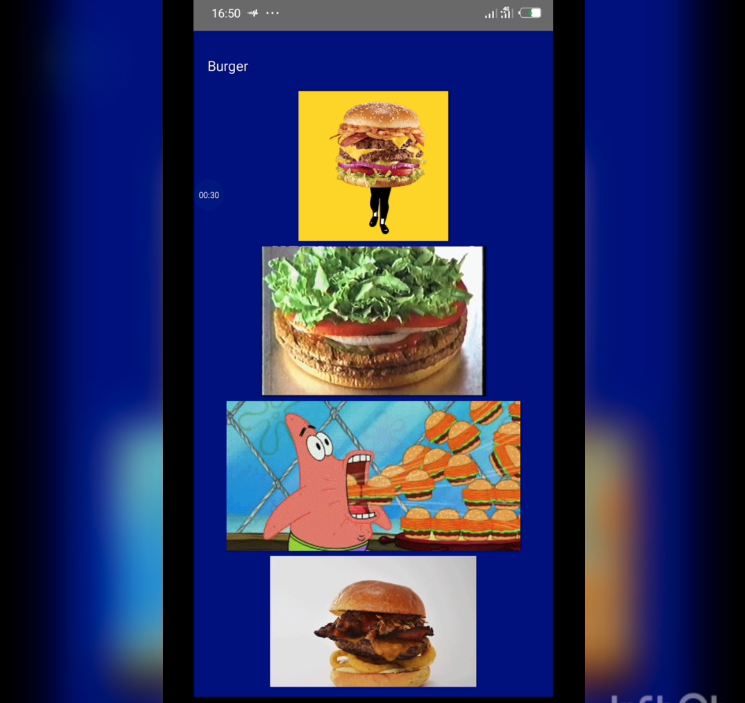
GIPHY integration is useful in React Native chat, comments, stories, social
feeds, and messaging apps. The implementation is straightforward, but production
apps need more than a search URL: attribution, API key handling, debounced
search, pagination, safe media rendering, and a clear fallback when the API is
unavailable.
Practical product notes
Get the next useful guide
Occasional tutorials, product resources, and lessons from building and launching software.