Build, launch, and keep improving

Dopebase Blog

Practical guides for building, customizing, launching, and growing software products.

AI Governance and Security: How to Prevent Data Leaks and Shadow AI

· 6 min read
Engineering Team

Shadow AI happens when employees use unmanaged AI tools to get work done because the approved workflow is slower, weaker, or missing entirely. The risk is not that people are curious. The risk is that private customer records, product plans, credentials, legal documents, and internal source code can move into tools the company does not control.

AI governance should not be a heavy policy document that blocks adoption. It should be a product and engineering system: approved tools, scoped permissions, logging, retention rules, safe defaults, and clear escalation paths.

AI governance and security controls for business software

From Data Silos to a Single Source of Truth: The Architecture That Makes AI Work

· 6 min read
Engineering Team

AI becomes useful when it can see the same business reality your team sees. That is hard when customer records live in a CRM, invoices live in billing, support history lives in a help desk, product events live in analytics, and internal policies live in scattered documents.

The result is familiar: the AI gives partial answers, misses context, violates permissions, or forces employees to paste private data into a chat window. A single source of truth does not mean putting every byte in one database. It means designing a trusted layer where business entities, permissions, events, and knowledge can be resolved consistently.

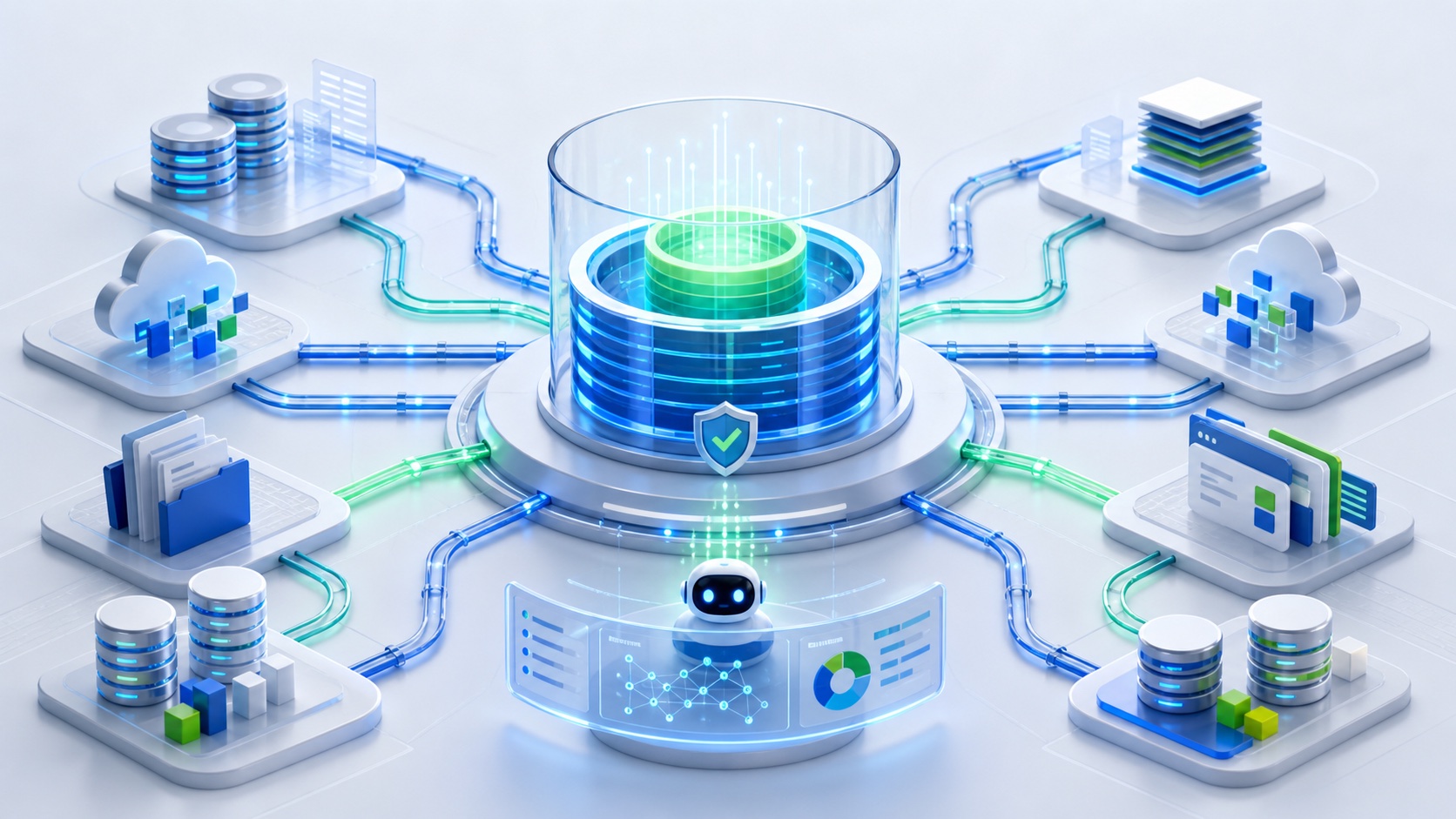
Single source of truth architecture for AI systems

AI Data Readiness Checklist: Prepare Your Business Data Before You Build

· 7 min read
Engineering Team

Most AI projects do not fail because the model is weak. They fail because the model receives messy, stale, incomplete, or unsafe data. A chatbot connected to outdated policies gives bad answers. A workflow agent without clear permissions exposes the wrong records. A recommendation engine trained on duplicate events optimizes for noise.

Before you add AI to a mobile app, admin panel, internal tool, or customer portal, make the data layer ready for AI. This checklist gives founders, CTOs, and product teams a practical way to audit data quality, structure, access, freshness, and feedback loops before the first production prompt.

AI data readiness checklist for business apps

Practical product notes

Get the next useful guide

Occasional tutorials, product resources, and lessons from building and launching software.